
This post may contain affiliate links.

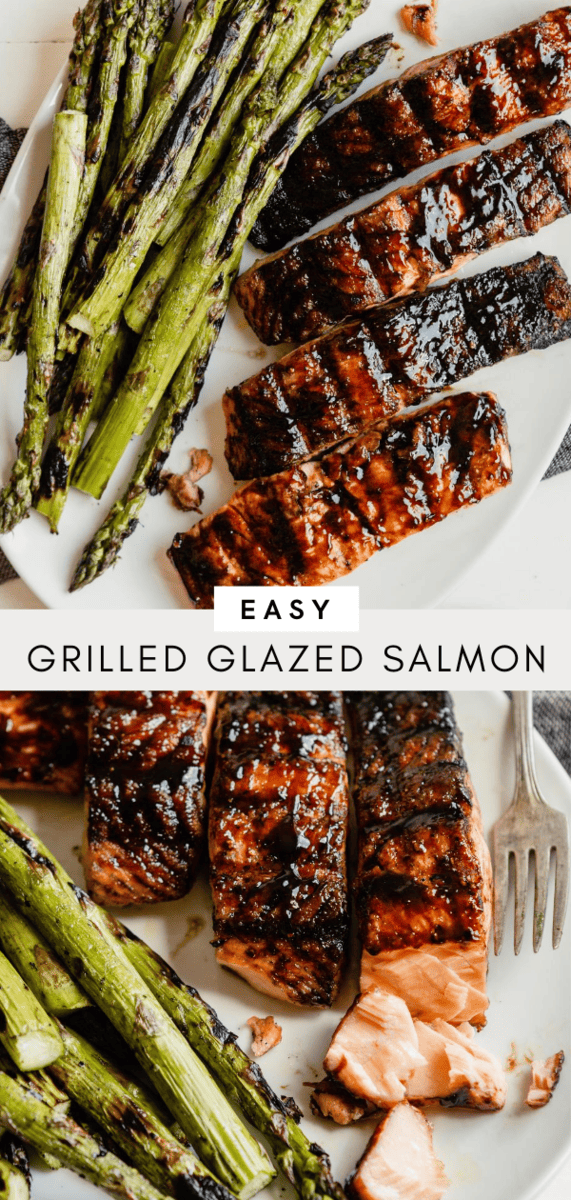
This Balsamic Glazed Salmon is the ultimate anytime meal. It’s an easy dinner that uses only 4 ingredients, making it a recipe anyone can master successfully.
When you’re looking for the simplest and quickest dinner recipe during a busy week or even when entertaining guests, this Balsamic Glazed Salmon is my first choice. With just 4 ingredients and a 10 minute cook time, dinner is on the table almost instantly.
I love making salmon once a week, and this version with a store-bought balsamic glaze is tangy yet sweet and pairs perfectly with any side dish or vegetable. If you’re intimidated by cooking or buying salmon, don’t worry, I share all of my best tips and secrets to ensure you make this recipe with ease.
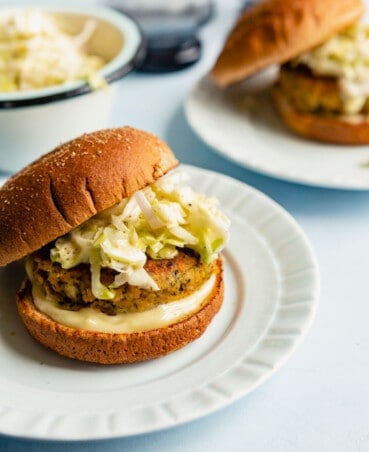
You can cook this glazed salmon on the grill or in the oven, both methods are quick and easy. And if you too try to cook fish a couple times a week, check out my gorgeous lemon butter cod and easy salmon patties recipes.
This recipe article was originally published in September of 2020, it has since been updated with helpful tips, ingredient notes and step-by-step images.
Ingredients Needed

You can find the full recipe, including ingredient amounts and instructions in the recipe card below.
- Salmon fillets: For grilling, I prefer skinless fillets, and for baking I prefer skin-on fillets.
- Olive Oil: use a quality, flavorful olive oil here. With such a short ingredient list, quality really matters.
- Balsamic glaze: aka balsamic reduction. I always have this in the fridge whether it’s store-bought or homemade. It’s great for salads, toasts, roasted veggies and a variety of different grilled proteins! I recommend using a glaze such as Filippo Berio. You can also easily make it from scratch—details on how to make it are below!
- Asparagus: A classic pairing for glazed salmon! But you can pair this balsamic glazed salmon with any veggie.
Test Kitchen Tips
- You can use skinless or skin-on, either works great but I find skinless is easier to cook on the grill.
- If you’d rather not grill the salmon, you can roast it in the oven. Details on how to do so are in the recipe. If you’re broiling a large fillet of salmon or pan-searing skin on-fillets, I recommend waiting to brush the glaze over top until after cooking the salmon.
How to Make Balsamic Glazed Salmon
- Preheat grill for direct cooking over high, 450ºF–550°F (232ºC–288ºC). Brush the grill grate clean and close the lid to preheat.

- Season the salmon. Generously coat all sides of the salmon fillets with 1½ tablespoons oil then season generously with salt and pepper. Toss the asparagus with oil, salt and pepper as well.
Tip: Cut down on dishes by coating the salmon with olive oil on a large plate. Drop the salmon on the grill, then roll the asparagus around with the remaining oil on the already-oily plate.


- Grill the salmon and asparagus. Brush the grill grate with oil then place the salmon, top side down on the grill grate. Add the salmon and the asparagus to the grate and cook, covered, until bottom ⅔ of the fillets are lighter in color and they release easily from the grate, this will take about 5 minutes. Cook the asparagus until charred and fork-tender, about 6 minutes, turning halfway through.
It’s important to keep the grill at or around 500ºF (260ºC). If it’s cooler, the cook time will be a bit longer.
- Continue cooking the salmon. Transfer asparagus to a platter then flip the salmon fillets and generously brush the tops of the fillets with balsamic glaze. Continue to cook until a thermometer inserted in the centers registers 130ºF (54ºC) for medium-rare, 2 minutes. (Cook to 145ºF for medium to well done.)
Alternatively, make the salmon in the oven:
- Alternatively if you would like to balsamic glazed salmon in the oven, preheat the oven to 400ºF. Line a sheet pan with aluminum foil, then coat with nonstick cooking spray.

- Place the salmon, skin side down on sheet and brush fillets generously with the balsamic glaze and bake for 5 minutes. Brush fillets again with the glaze, then bake 5–10 minutes more or until the salmon flakes easily with a fork and is cooked through.
Homemade Balsamic Glaze
Here’s how to make a homemade balsamic glaze. My one tip: use a good quality balsamic vinegar!
- Add 1 cup balsamic vinegar to a small saucepan. Bring to a rapid simmer over medium heat, then reduce to medium-low and cook at a low bubble, stirring occasionally, until thickened, about 12 minutes. You’ll know it’s ready when it coats the back of a metal spoon.
- Remove from the heat and let cool (it will continue to thicken). The glaze can be stored in an airtight container in the refrigerator for up to 3 months. If it hardens or becomes too thick, gently reheat with a spoonful of water to loosen.
Adapted from ‘Pasta Every Day’ by Meryl Feinstein.

Storage
Any leftover salmon can be store in an airtight container in the fridge for up to 2 days. Reheat in the microwave on partial power, or in a 300-degree oven for a couple of minutes until warmed through.
I don’t recommend freezing the salmon as it can compromise the texture when it thaws.
Balsamic glaze should be kept in an airtight container in the refrigerator for up to 1 year. The taste will become more subtle over time.
What to Serve with Balsamic Glazed Salmon
If you’re not an asparagus fan, try my Garlicky Sautéed Broccoli. Another green veg option but totally different. For something starchy, I recommend Garlic Cheese Mashed Potatoes and for a classic fish pairing, you gotta try my Fennel Salad.

Tips for Buying Salmon
Here are a few tips from my detailed guide for buying salmon:
- Avoid salmon fillets that have breaks or cracks in the muscle, both within the muscle itself and along the white collagen sheaths. This indicates mishandling and degradation.
- Look for fillets that are bright and saturated in color.
- Choose fillets that are glossy and firm to the touch.
- Be sure the fish doesn’t smell “fishy.” It should have little to no smell.
What Temperature Should Salmon Be Cooked To?
Fish should be cooked until opaque and flaky. As per the USDA guidelines, all finfish should be cooked to an internal temperature of 145°F (63°C). However, I prefer salmon cooked to medium-rare so I often pull it from the heat at around 125°F (52°C).

More Salmon Recipes to Try

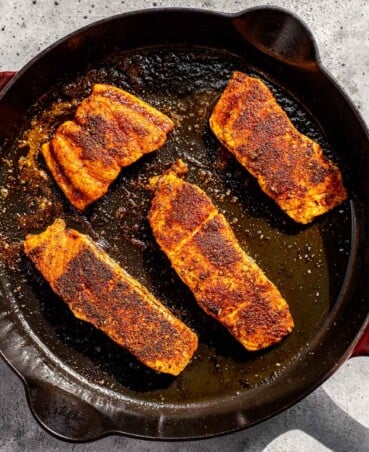
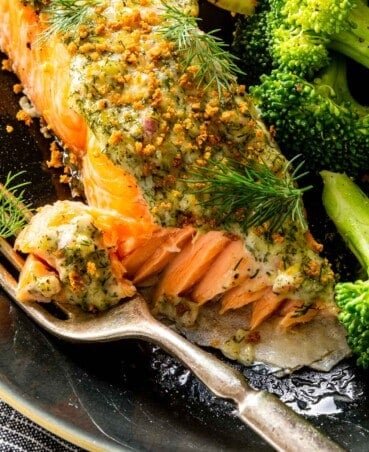
4-Ingredient Balsamic Glazed Salmon (Grilled or Baked)
Description
Save This Recipe!
Ingredients
- 4 (6-ounce) salmon fillets (about 1-inch thick), skin removed
- 2 tablespoons extra-virgin olive oil, divided
- Vegetable oil for brushing grill grate
- Kosher salt and black pepper
- 3 tablespoons balsamic glaze, such as Filippo Berio
- 1 pound asparagus, trimmed
- Crusty whole-grain seeded bread for serving
Instructions
- Heat grill for direct cooking over high, 450ºF–550°F (232ºC–288ºC). Brush grill grate clean and close lid to heat.
- Generously coat all sides of salmon fillets with 1 ½ tablespoons olive oil and season tops generously with salt and pepper. Toss asparagus with remaining ½ tablespoon olive oil and season with salt and pepper.
- Brush grill grate with vegetable oil.
- Place salmon, top side down, and asparagus on grill grate, close lid, keeping temperature around 500ºF (260ºC). Cook salmon until ⅔ of the fillets are lighter in color, they’re becoming firm to touch, and they easily release from the grate, 4–6 minutes. Cook asparagus until charred and fork-tender, 6 minutes, turning halfway through.
- Transfer asparagus to a platter. Flip fillets and generously brush tops of fillets with glaze, close lid and continue to cook until a thermometer inserted in the centers registers 130ºF (54ºC) for medium-rare, 2 minutes. (Cook to 145ºF for medium to well done) Transfer fillets to platter with asparagus.
- Serve salmon with additional balsamic glaze and some crusty bread with good olive oil for dipping.
Notes
- Preheat oven to 400 degrees F. Line a baking sheet with aluminum foil, then coat with nonstick cooking spray.
- Place salmon on prepared baking sheet. Brush fillets generously with the balsamic glaze and bake for 5 minutes. Brush fillets again with the glaze, then bake 5–10 more minutes until the salmon flakes easily with a fork and is cooked through.
- Add 1 cup good quality balsamic vinegar to a small saucepan. Bring to a rapid simmer over medium heat, then reduce to medium-low and cook at a low bubble, stirring occasionally, until thickened, about 12 minutes. You’ll know it’s ready when it coats the back of a metal spoon.
- Remove from heat and let cool (it will continue to thicken). The glaze can be stored in an airtight container in the refrigerator for up to 3 months. If it hardens or becomes too thick, gently reheat with a spoonful of water to loosen. (Adapted from ‘Pasta Every Day’ by Meryl Feinstein.)

wow! the easiest grilled salmon I have ever made. And the glaze, wow, just delicious!!
How can I make homemade balsamic glaze..prepared in bottle has ingredients I’d prefer not to have..
Please research tin foil (aluminum) for cooking..research shows it leaches into the food & can cause dementia & Alzheimer’s etc.(even breathing the fumes or dust can cause bad effects)..thank you..
Using silicone mats work well for those uses..or even parchment paper..
Here is a great recipe for balsamic glaze: https://cafedelites.com/balsamic-glaze/